Customized Wear-Resistant Drone Parts: Enhancing Durability and Performance in Modern UAV Systems
Introduction
Drones, also known as Unmanned Aerial Vehicles (UAVs), have seen widespread adoption across industries such as agriculture, logistics, defense, filmmaking, construction, and surveillance. As these applications become increasingly complex, drones are expected to deliver high performance, accuracy, and reliability under various operating conditions. Central to these requirements is the need for customized wear-resistant drone parts—engineered components designed to withstand extreme environments, repetitive stress, and friction without compromising the integrity or efficiency of the UAV system.
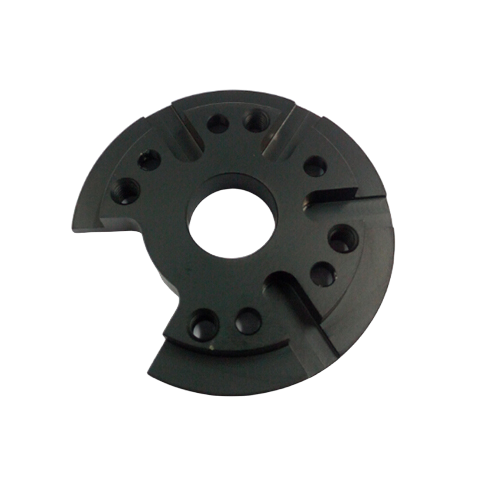
Customized wear-resistant parts are not generic off-the-shelf items. They are manufactured with precision and tailored to the drone's specific functions and structural requirements. In this article, we will explore the significance, benefits, materials, manufacturing techniques, and key applications of wear-resistant custom Drone components. Additionally, we will examine how precision machining and surface treatments elevate the durability of these parts, and how manufacturers can provide UAV operators with dependable and long-lasting components.
The Importance of Wear Resistance in Drone Components
Wear resistance refers to the ability of a material or part to withstand gradual material loss due to mechanical action such as abrasion, friction, impact, and erosion. In drones, several components are subject to high wear conditions, including:
Rotor shafts
Propeller mounts
Gear housings
Landing gear parts
Arm joints
Actuator linkages
These parts experience continuous mechanical motion and exposure to external elements like dust, moisture, sand, or corrosive chemicals. If these components degrade prematurely, drone performance suffers significantly—leading to instability, vibrations, mechanical failure, or even crashes.
By integrating customized wear-resistant drone parts, manufacturers and drone operators can dramatically extend component lifespan, improve safety, reduce maintenance frequency, and ensure consistent performance over extended missions.
Benefits of Customized Wear-Resistant Drone Parts
1. Extended Operational Lifespan
Customized wear-resistant parts minimize degradation from friction and external environmental factors. This longevity is particularly important for drones used in remote locations or inaccessible environments where frequent servicing is impractical.
2. Improved Load-Bearing Capacity
Precision-manufactured wear-resistant parts are engineered to carry specific loads without structural failure. This is essential for drones performing tasks like cargo transport or carrying sensors in hazardous zones.
3. Reduced Downtime and Maintenance
High-durability parts reduce the need for frequent repairs or replacements. This translates into increased uptime for mission-critical operations, minimizing disruptions and enhancing productivity.
4. Enhanced Performance
By reducing internal friction and maintaining dimensional stability, wear-resistant components allow drones to maintain higher rotational speeds, steadier flights, and more responsive control systems.
5. Tailored Design for Unique Applications
Custom machining allows drone components to be manufactured to exact design specifications. Whether it’s adapting to extreme temperatures or resisting aggressive chemicals, customized parts provide unmatched versatility.
Common Materials for Wear-Resistant Drone Parts
The choice of material is critical for ensuring wear resistance. Several advanced materials are used in custom drone components depending on application, load, and environmental exposure.
1. Titanium Alloys
Titanium offers a high strength-to-weight ratio, excellent corrosion resistance, and great fatigue performance. It is ideal for structural and rotating parts where both lightness and durability are required.
2. Stainless Steel
Stainless steel, especially grades like 316L or 17-4PH, provides excellent wear and corrosion resistance, making it suitable for shafts, fasteners, and joints exposed to harsh conditions.
3. Tool Steels
Tool steels such as D2, H13, or A2 are used in applications requiring high hardness and abrasion resistance. These materials are ideal for gears, bushings, and mechanical pivots.
4. Ceramic-Coated Metals
For extreme wear applications, ceramic coatings like titanium nitride (TiN) or chromium nitride (CrN) are applied to metallic substrates. These coatings drastically reduce surface friction and increase hardness.
5. Engineering Plastics and Composites
Materials like PEEK, PTFE composites, and carbon fiber-reinforced polymers are often used in non-load-bearing but high-friction components due to their self-lubricating properties.
Precision Manufacturing Techniques for Wear-Resistant Drone Parts
Producing custom wear-resistant parts for drones requires advanced manufacturing techniques to ensure accuracy, repeatability, and durability. Some of the key processes include:
1. CNC Machining
Computer Numerical Control (CNC) machining allows precise shaping of metal or plastic parts with tight tolerances. It is ideal for custom drone components that require consistent dimensions and surface finishes to reduce wear.
2. EDM (Electrical Discharge Machining)
EDM is used to machine complex contours and high-hardness materials that cannot be shaped by traditional methods. It is especially useful for intricate gear profiles and tight spaces.
3. Laser Cutting and Engraving
Laser machining allows the cutting and surface modification of lightweight wear-resistant materials such as carbon fiber or aluminum alloy components without inducing thermal distortion.
4. Surface Hardening Treatments
Processes like nitriding, carburizing, or induction hardening are used to improve the surface hardness of parts while retaining internal ductility. This enhances the part’s ability to resist surface wear.
5. Anodizing and PVD Coating
Aluminum parts can be anodized to create a thick oxide layer that resists wear and corrosion. Physical Vapor Deposition (PVD) coatings can be added for enhanced surface hardness and aesthetic appeal.
Applications of Wear-Resistant Parts in UAV Systems
Customized wear-resistant drone parts are employed across a range of UAV platforms. Here are a few key applications:
1. Industrial Drones
Drones used for inspection, surveying, or mapping in industrial environments (mining, oil and gas, infrastructure) are exposed to abrasive dust, heat, and chemicals. Wear-resistant components help maintain performance in these harsh conditions.
2. Agricultural Drones
Spraying drones require corrosion-resistant and wear-proof fluidic components. Customized nozzles, pumps, and moving linkages made from treated materials ensure long service life.
3. Military and Tactical Drones
In defense applications, drones often face tough terrain, extreme weather, and high stress loads. Precision wear-resistant parts ensure these UAVs maintain flight stability and combat readiness.
4. Delivery and Logistics Drones
Custom load-bearing brackets, landing gear, and rotor components designed for high durability enable drones to safely transport goods over long distances without risk of component fatigue.
5. Aerial Filming and Survey Drones
To ensure smooth and stable footage, drones must have wear-resistant gimbals, stabilizers, and vibration dampening parts that remain effective even after extended use.
Design Considerations for Custom Wear-Resistant Drone Parts
When designing and manufacturing custom drone parts for wear resistance, several engineering factors must be addressed:
Load distribution: Ensure even stress across contact surfaces to avoid localized wear.
Lubrication and friction control: Select materials and coatings that minimize friction and the need for external lubrication.
Weight optimization: Use high-strength, lightweight materials like titanium or composites to maintain drone flight efficiency.
Thermal management: In high-speed moving parts, friction can generate heat. Materials must be chosen to tolerate temperature increases without deformation.
Corrosion resistance: For outdoor or maritime drone operations, anti-corrosive coatings or materials are essential.
Tolerance and fit: Custom parts should be manufactured to precision tolerances to reduce micro-movements that accelerate wear.
Why Partner with a Precision Machining Expert?
Producing high-quality, wear-resistant drone parts requires more than just advanced machines—it demands expertise in material science, engineering design, and UAV system integration. A professional machining service can provide:
Material selection guidance based on application-specific wear conditions
CAD/CAM support to refine part geometry for better durability
Surface treatment recommendations to maximize wear resistance
Prototype development and small-batch production for R&D or custom builds
Stringent quality control to ensure consistency and performance
By partnering with a specialist, drone manufacturers and developers can accelerate their time-to-market and ensure their UAVs are equipped with components engineered for reliability and endurance.
Future Outlook: Innovation in Wear-Resistant Drone Part Technology
The drone industry is evolving rapidly, and so are the materials and technologies used in wear-resistant components. Emerging trends include:
3D printing of wear-resistant alloys and composites, enabling faster customization
Nano-ceramic coatings for ultra-low-friction and high-temperature applications
Self-healing materials that can recover from minor wear and surface scratches
AI-driven predictive maintenance, leveraging sensors embedded in wear-critical components to detect degradation in real-time
These innovations promise to redefine how drones are maintained and operated, making custom wear-resistant parts even more essential to long-term UAV reliability.
Conclusion
Customized wear-resistant drone parts are crucial for achieving long-term performance, reliability, and operational efficiency in UAV systems. From industrial inspection drones to high-precision filming platforms, these components ensure minimal downtime, consistent results, and reduced maintenance costs.
Through advanced materials, precision machining, and innovative surface treatments, manufacturers can tailor drone parts to handle specific wear challenges. As drone applications expand into more demanding environments, the need for robust, wear-proof components will continue to grow. Investing in custom wear-resistant drone parts is not just about durability—it’s about creating UAVs that meet the future head-on, with confidence and resilience.

 Español
 Portugues
 Pусский
 Français
 Deutsch
 日本語
 한국어
 العربية
 Italiano
 Nederlands
 Ελληνικά
 Svenska
 Polski
 ไทย
 Türk dili
 हिन्दी
 Indonesia
 Melayu
 Tiếng Việt
 中文
 dansk
 Magyar
 қазақ
 বাংলা
 עִברִית
 čeština
 Soomaali
 မြန်မာ
 فارسی
 українська
 norsk
 Gaeilge
 беларускі
 Română
 Filipino
 lietuvių
 македонски
 Suomalainen
 slovenský
 o'zbek
 اردو
 հայերեն
 Igbo
 български
 سنڌي
 සිංහල
 Hrvatski
 íslenskur
 Zulu South Africa
 Afrikaans isiXhosa
 ಕನ್ನಡ
 Indonésia Sunda
 Кыргызча
 тоҷикӣ
 Србија
 Hawaii
 Cebu
 नेपाल
 latvija
 slovenija
 kiswahili
 ਪੰਜਾਬ
 پښتو
 Azərbaycan
 አማራ
 Shqipëria
 Chicheva
 ଓଡିଆ
 Setswana
 Afrikaans
 Aymara
 Башҡорт
 Türkmenler
 ትግሪኛ
 Afaan Oromoo
 অসমীয়া
 Kinyarwanda
 Ilocano
 Wolof
 अवधी
 Oluganda
 Bikol
 Fulɓe
 Kikongo
 Lingala
 རྫོང་ཁ
 Santali
 Аҧсуа
 Чӑваш
 Batak Karo



 Phone