Lightweight UAV Gimbal Bracket: Precision, Performance, and Portability in Aerial Systems
Introduction
As unmanned aerial vehicles (UAVs) continue to revolutionize industries from aerial photography to environmental monitoring and defense, the components that make up these systems must meet increasingly demanding requirements. Among these critical components, the lightweight UAV gimbal bracket stands out as a structural and functional cornerstone in stabilizing camera systems and payloads. Combining reduced weight with mechanical durability and precision alignment, these brackets support high-quality image capture, sensor performance, and flight efficiency.
This comprehensive guide explores everything you need to know about lightweight UAV gimbal brackets—from their materials and design principles to their applications, benefits, and integration into modern drone systems.
What Is a UAV Gimbal Bracket?
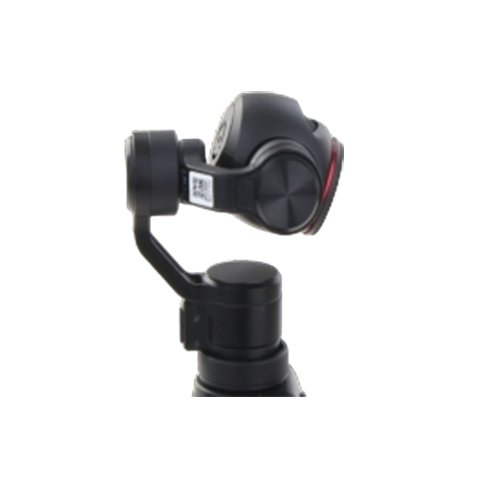
A UAV gimbal bracket is a specialized structural frame that supports a drone’s gimbal system—a mechanism designed to stabilize and rotate mounted devices such as cameras or sensors. The bracket securely attaches the gimbal to the drone’s frame, ensuring accurate alignment, vibration isolation, and mechanical integrity during dynamic flight conditions.
The lightweight variant of the gimbal bracket emphasizes weight reduction while maintaining high strength and rigidity. This makes it ideal for drones where every gram affects flight time, payload capacity, and energy efficiency.
Core Functions of a Lightweight Gimbal Bracket
Stabilization Support:
The bracket holds the gimbal system in place, enabling precise angular movements across multiple axes without unintended vibration or displacement.
Load Distribution:
It evenly distributes the weight of the gimbal and mounted devices across the drone’s structure, preventing stress concentration that could lead to failure.
Vibration Damping:
High-frequency vibrations from motors or air turbulence are absorbed or isolated by design features in the bracket, enhancing camera image stability and sensor accuracy.
Protection and Durability:
The bracket protects sensitive electronics and mechanical parts from physical damage and wear due to environmental conditions or flight maneuvers.
Key Materials Used in Lightweight UAV Gimbal Brackets
The demand for minimal weight and maximum strength drives the choice of materials used in UAV gimbal brackets. Common materials include:
1. Carbon Fiber Reinforced Polymer (CFRP)
Advantages: Extremely strong yet light, corrosion-resistant, and thermally stable.
Use Case: Preferred in professional aerial photography drones and racing UAVs.
2. Aerospace-Grade Aluminum Alloys (e.g., 7075-T6)
Advantages: High strength-to-weight ratio, excellent machinability, and fatigue resistance.
Use Case: Ideal for precision-milled brackets in high-performance commercial and industrial UAVs.
3. Magnesium Alloys
4. Titanium Alloys
Advantages: Exceptional strength and corrosion resistance, though heavier than carbon fiber.
Use Case: Military-grade UAVs or specialized applications requiring robustness.
Design Considerations
Creating a lightweight yet strong gimbal bracket involves a range of engineering challenges and design decisions. Key considerations include:
1. Weight Optimization
Every additional gram reduces a UAV’s battery life and agility. Engineers utilize topology optimization and finite element analysis (FEA) to minimize weight while maintaining structural strength.
2. Modular Mounting Points
Many brackets are designed with universal or modular mounting systems to accommodate different cameras, LiDAR, or thermal imaging sensors.
3. Multi-Axis Integration
The bracket must allow for 2-axis, 3-axis, or even 4-axis gimbal movement depending on the required stabilization accuracy.
4. Aerodynamic Efficiency
Low-profile and contoured brackets reduce air resistance and drag during high-speed flight.
5. Corrosion and Weather Resistance
Brackets often incorporate anodized finishes or epoxy coatings to protect against harsh outdoor environments.
Applications of Lightweight UAV Gimbal Brackets
1. Aerial Photography and Videography
In commercial drones used by photographers and filmmakers, a lightweight gimbal bracket enables long-duration flights and stable image capture under varying weather conditions.
2. Mapping and Surveying
Survey drones equipped with LiDAR, multispectral, or photogrammetry equipment rely on lightweight brackets to hold sensors with sub-millimeter precision.
3. Search and Rescue
In emergency response UAVs, time is critical. Lightweight components allow for longer flight ranges and quicker deployment without compromising the stability of thermal or night vision cameras.
4. Agricultural Drones
Precision agriculture requires consistent data from mounted NDVI and other crop health sensors. Lightweight brackets ensure sensor performance is not degraded by UAV vibration or drift.
5. Military and Security Surveillance
Defense-grade UAVs require rugged brackets capable of handling high-G maneuvers and long-endurance surveillance missions, often in adverse weather conditions.
Benefits of Lightweight UAV Gimbal Brackets
Extended Flight Time
Reduced weight directly translates into less battery drain, enabling drones to stay airborne longer and cover more ground.
Improved Maneuverability
With less mass to counteract, UAVs equipped with lightweight brackets respond faster to control inputs, beneficial in complex environments.
Higher Payload Efficiency
By saving weight on the bracket, more of the UAV’s payload capacity can be allocated to sensors, batteries, or additional modules.
Enhanced Image Stability
Brackets that dampen vibration and provide rigid support allow for higher-quality video and still image capture.
Scalability Across UAV Sizes
Lightweight bracket designs can be adapted for micro-drones, quadcopters, and heavy-lift UAVs alike.
Customization and Integration Options
Modern lightweight UAV gimbal brackets can be tailored for specific drone models or use cases. Common customization options include:
Quick-release mounting mechanisms for faster equipment swaps.
Swivel joints and dampers integrated directly into the bracket for smoother motion.
Sensor-specific cradles for secure housing of unique payloads.
Cable management systems to reduce electromagnetic interference or snag hazards.
Compatibility with industry-standard gimbals such as DJI, Gremsy, or Freefly.
Manufacturing Techniques
Advanced production methods are used to ensure each bracket meets strict tolerances while remaining lightweight:
CNC Machining
Precision milling from aluminum or magnesium blocks ensures high dimensional accuracy for customized UAV integration.
3D Printing
Additive manufacturing using carbon fiber-reinforced nylon or resin composites enables rapid prototyping and small-batch customization.
Composite Layup
Hand-laid or automated composite layups create ultra-light, high-strength brackets used in high-end aerial platforms.
Future Trends
As UAV technologies evolve, so too will the requirements and innovations surrounding gimbal brackets:
Smart brackets with built-in IMUs (Inertial Measurement Units) for additional stabilization data.
AI-assisted gimbal balancing via dynamic bracket adjustment.
Hybrid materials combining metal and carbon fiber for optimized stiffness and resilience.
Modular ecosystem brackets that support plug-and-play payload swapping in the field.
Choosing the Right Lightweight Gimbal Bracket
When selecting a lightweight UAV gimbal bracket, buyers should consider:
Drone Model Compatibility – Ensure bracket dimensions and mounting points match the drone’s design.
Payload Requirements – Choose a bracket that supports the weight and sensitivity of your mounted equipment.
Flight Conditions – Consider wind exposure, maneuverability, and environmental durability.
Operational Goals – Prioritize ease of assembly, vibration isolation, and component protection based on mission objectives.
Conclusion
The lightweight UAV gimbal bracket is a critical yet often overlooked component in drone system architecture. By combining structural strength with minimal weight and advanced mounting capabilities, it serves as a keystone in achieving stable, high-performance aerial operations. Whether you're building a professional cinematography rig, an agricultural data drone, or an industrial mapping UAV, investing in a high-quality lightweight bracket can greatly enhance your system’s capability, efficiency, and output quality.
As UAV technology continues to grow, expect the evolution of gimbal brackets to follow—bringing new materials, intelligent features, and application-specific designs that make unmanned flight more powerful and precise than ever.

 Español
 Portugues
 Pусский
 Français
 Deutsch
 日本語
 한국어
 العربية
 Italiano
 Nederlands
 Ελληνικά
 Svenska
 Polski
 ไทย
 Türk dili
 हिन्दी
 Indonesia
 Melayu
 Tiếng Việt
 中文
 dansk
 Magyar
 қазақ
 বাংলা
 עִברִית
 čeština
 Soomaali
 မြန်မာ
 فارسی
 українська
 norsk
 Gaeilge
 беларускі
 Română
 Filipino
 lietuvių
 македонски
 Suomalainen
 slovenský
 o'zbek
 اردو
 հայերեն
 Igbo
 български
 سنڌي
 සිංහල
 Hrvatski
 íslenskur
 Zulu South Africa
 Afrikaans isiXhosa
 ಕನ್ನಡ
 Indonésia Sunda
 Кыргызча
 тоҷикӣ
 Србија
 Hawaii
 Cebu
 नेपाल
 latvija
 slovenija
 kiswahili
 ਪੰਜਾਬ
 پښتو
 Azərbaycan
 አማራ
 Shqipëria
 Chicheva
 ଓଡିଆ
 Setswana
 Afrikaans
 Aymara
 Башҡорт
 Türkmenler
 ትግሪኛ
 Afaan Oromoo
 অসমীয়া
 Kinyarwanda
 Ilocano
 Wolof
 अवधी
 Oluganda
 Bikol
 Fulɓe
 Kikongo
 Lingala
 རྫོང་ཁ
 Santali
 Аҧсуа
 Чӑваш
 Batak Karo



 Phone