Precision Machining of Drone Parts: Elevating UAV Performance with High-Accuracy Manufacturing
Introduction: The Role of Precision Machining in Modern Drones
Unmanned Aerial Vehicles (UAVs), commonly known as drones, have transformed numerous industries including aerospace, agriculture, defense, surveillance, mapping, logistics, and cinematography. As the demand for more reliable, lightweight, and high-performance drones grows, precision machining of drone parts has emerged as a foundational manufacturing process. Precision machining involves the creation of complex, tight-tolerance components using advanced computer numerical control (CNC) technologies and high-grade materials. It enables manufacturers to deliver parts with exceptional dimensional accuracy, structural integrity, and repeatability, which are all critical to drone performance, safety, and durability.
In this comprehensive overview, we explore the processes, materials, benefits, and industrial applications of precision machining in the context of drone manufacturing. Whether you're a drone OEM, aerospace supplier, or UAV startup, understanding precision machining is essential for achieving cost-efficiency and product excellence.
What Is Precision Machining for Drone Parts?
Precision machining is a subtractive manufacturing process that uses specialized tools, machinery, and computer programs to remove material from a workpiece to achieve highly accurate dimensions and surface finishes. For drone parts, this often means producing small, intricate components that must meet strict mechanical and aerodynamic specifications.
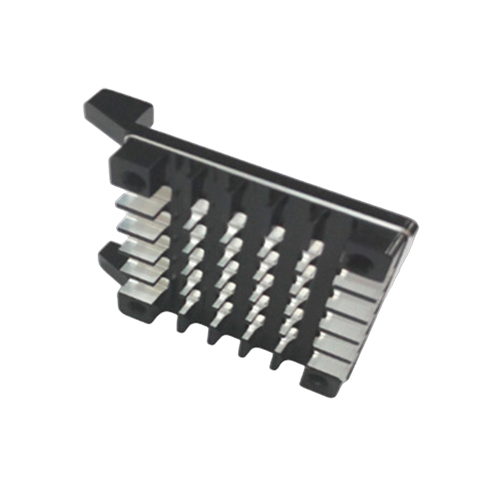
Examples of Drone components that are precision machined include:
These parts must not only be lightweight but also capable of withstanding vibration, temperature changes, and environmental stress. Precision machining offers the versatility and control needed to meet these requirements.
Key Processes Used in Precision Drone Part Machining
The production of drone components through precision machining generally involves several advanced processes. These include:
1. CNC Milling
CNC milling uses rotating cutting tools to remove material along multiple axes. It is ideal for producing drone parts with complex geometries, pockets, slots, and holes. High-speed 3-axis, 4-axis, and 5-axis CNC mills enable multi-sided machining in one setup, reducing lead time and increasing consistency.
2. CNC Turning
For parts with cylindrical or symmetrical features like motor housings and propeller hubs, CNC turning is the preferred method. The workpiece rotates while the cutting tool remains stationary, delivering precise outer and inner diameters with excellent surface finishes.
3. Electrical Discharge Machining (EDM)
EDM is used for components that require ultra-fine tolerances or complex internal shapes that are difficult to machine mechanically. It is commonly used in tooling for mold-making of drone casings or special metal inserts.
4. Laser and Waterjet Cutting
For high-speed, low-distortion cutting of flat sheet metal or composite materials used in drone arms or frame plates, laser cutting and waterjet machining are efficient options that complement traditional CNC methods.
5. Surface Finishing and Deburring
To ensure optimal function and aesthetics, drone parts undergo surface treatments such as anodizing, bead blasting, powder coating, or passivation. These finishes enhance corrosion resistance, reduce weight, and eliminate sharp edges.
Material Selection for Precision Drone Components
Lightweight and high-strength materials are crucial for UAV manufacturing. Precision machining can handle a wide range of materials, including:
1. Aluminum Alloys
Aluminum (especially 6061, 7075, and 2024 grades) is one of the most commonly used materials for drone parts. It is lightweight, corrosion-resistant, and offers excellent machinability and thermal conductivity.
2. Titanium
For high-performance or military-grade drones, titanium alloys (like Ti-6Al-4V) are used due to their unmatched strength-to-weight ratio and fatigue resistance. Though more expensive and harder to machine, they are ideal for structural parts and fasteners.
3. Carbon Fiber Composites
Though not machined in the traditional sense, carbon fiber drone parts often require secondary CNC trimming or drilling to achieve accurate fitment. These are typically used in frames, arms, and fuselages.
4. Plastics and Polymers
Engineering plastics like PEEK, Nylon, Delrin (POM), and ABS are machined for non-load-bearing components such as gimbal mounts, housings, and electrical enclosures. They offer good electrical insulation and weight savings.
5. Magnesium and Other Exotic Metals
In some advanced UAVs, magnesium or composite alloys may be used to reduce weight even further. These materials require specialized machining techniques due to their flammability or brittleness.
Benefits of Precision Machining for UAV Applications
1. High Dimensional Accuracy
precision CNC machining consistently produces drone parts with tolerances as tight as ±0.005mm, which is essential for ensuring aerodynamic balance, smooth assembly, and mechanical compatibility.
2. Repeatability and Quality Control
Whether for prototypes or large production runs, precision machining ensures that every drone part meets the exact same specifications. This reduces assembly time and lowers the risk of product failure.
3. Lightweight Design Optimization
Machining enables material removal from non-critical areas, helping reduce weight without compromising strength. This is key for maximizing flight time and payload capacity.
4. Flexibility in Customization
From customized gimbal brackets to specialized mounts for LiDAR sensors or thermal cameras, precision machining supports rapid design iterations and low-volume production for R&D or niche markets.
5. Improved Durability and Performance
Machined parts made from high-quality materials with fine surface finishes are more resistant to wear, vibration, and corrosion—extending the drone’s overall service life.
Applications of Precision Machined Drone Parts
1. Commercial UAVs
Surveying drones, delivery drones, and agricultural drones require lightweight, robust parts to ensure operational reliability under various environmental conditions.
2. Military and Defense Drones
Mission-critical applications in surveillance, reconnaissance, and target acquisition demand parts made to military-grade specifications, where precision machining plays a vital role.
3. Aerospace and Research Drones
These UAVs operate at high altitudes and require parts machined with aerospace tolerances, often using exotic metals or hybrid composites.
4. Cinematography and FPV Racing
Camera drones and racing UAVs rely on extremely lightweight, high-speed components, often custom-machined to house gimbals, sensors, and dynamic propulsion systems.
5. Industrial Inspection UAVs
Used in oil rigs, pipelines, or nuclear plants, these drones require rugged, corrosion-resistant housings and frames that precision machining can provide.
Why Partner with a Professional Precision Machining Supplier?
Choosing the right machining partner is as critical as the engineering design itself. Look for manufacturers with:
ISO-certified processes
5-axis CNC capabilities
Experience in aerospace or drone sectors
Rapid prototyping and batch production flexibility
Material sourcing and traceability
In-house quality control with CMM inspection tools
A reliable supplier not only delivers high-precision drone parts but also adds value through design-for-manufacturability (DFM) consultation, cost-effective production strategies, and after-sales support.
Future Trends in Drone Precision Machining
As UAVs evolve with AI, autonomous navigation, and swarming capabilities, the demands on precision parts are intensifying. Key trends include:
Miniaturization of components for micro-drones and nano-UAVs
Integration with smart materials for adaptive aerodynamic surfaces
Hybrid manufacturing combining CNC and 3D printing for structural flexibility
Real-time quality monitoring using AI and IoT sensors
Sustainable machining using recyclable materials and energy-efficient processes
These advancements will further push the boundaries of what precision machining can offer the drone industry.
Conclusion
Precision machining of drone parts is not just a manufacturing technique—it is a critical enabler of UAV innovation, reliability, and performance. From prototyping to full-scale production, the accuracy, material flexibility, and customization it offers are unmatched. By investing in high-quality machined components, drone manufacturers can ensure safer flights, longer lifespans, and higher mission success rates.
Whether you're building a consumer camera drone or an advanced surveillance UAV, precision machining will remain at the heart of your product’s engineering success.

 Español
 Portugues
 Pусский
 Français
 Deutsch
 日本語
 한국어
 العربية
 Italiano
 Nederlands
 Ελληνικά
 Svenska
 Polski
 ไทย
 Türk dili
 हिन्दी
 Indonesia
 Melayu
 Tiếng Việt
 中文
 dansk
 Magyar
 қазақ
 বাংলা
 עִברִית
 čeština
 Soomaali
 မြန်မာ
 فارسی
 українська
 norsk
 Gaeilge
 беларускі
 Română
 Filipino
 lietuvių
 македонски
 Suomalainen
 slovenský
 o'zbek
 اردو
 հայերեն
 Igbo
 български
 سنڌي
 සිංහල
 Hrvatski
 íslenskur
 Zulu South Africa
 Afrikaans isiXhosa
 ಕನ್ನಡ
 Indonésia Sunda
 Кыргызча
 тоҷикӣ
 Србија
 Hawaii
 Cebu
 नेपाल
 latvija
 slovenija
 kiswahili
 ਪੰਜਾਬ
 پښتو
 Azərbaycan
 አማራ
 Shqipëria
 Chicheva
 ଓଡିଆ
 Setswana
 Afrikaans
 Aymara
 Башҡорт
 Türkmenler
 ትግሪኛ
 Afaan Oromoo
 অসমীয়া
 Kinyarwanda
 Ilocano
 Wolof
 अवधी
 Oluganda
 Bikol
 Fulɓe
 Kikongo
 Lingala
 རྫོང་ཁ
 Santali
 Аҧсуа
 Чӑваш
 Batak Karo



 Phone