Waterproof and Dustproof Drone Housing: Ensuring Reliability in Harsh Environments
Introduction
Drones, also known as Unmanned Aerial Vehicles (UAVs), have become indispensable tools across various industries such as agriculture, infrastructure inspection, search and rescue, defense, filmmaking, and environmental monitoring. Their ability to access hard-to-reach areas, collect real-time data, and perform complex tasks has revolutionized these fields. However, the expanding use of drones often places them in environments where exposure to water, dust, dirt, and other harsh elements is unavoidable.
This is where waterproof and dustproof drone housing plays a critical role. These specialized enclosures protect the sensitive electronic components and mechanical systems inside the drone, ensuring continued operation, reliability, and longevity. In this comprehensive guide, we will explore the importance of waterproof and dustproof drone housings, the design considerations, materials used, manufacturing methods, and applications. Whether you are a drone manufacturer, operator, or enthusiast, understanding these housings will help you make informed decisions to maximize UAV performance and durability.
The Importance of Waterproof and Dustproof Drone Housing
Protecting Sensitive Components
Drones rely heavily on sophisticated electronics including flight controllers, GPS modules, sensors, batteries, cameras, and communication devices. These components are vulnerable to environmental factors such as moisture, dust particles, and corrosive agents. Even minor exposure to water or dust can cause electrical short circuits, sensor malfunctions, and mechanical failures.
Waterproof and dustproof housing acts as a barrier, preventing ingress of these harmful substances. This protection is crucial for drones operating in rain, fog, dusty deserts, muddy fields, coastal areas, or industrial sites with airborne particulates.
Extending Drone Lifespan
Repeated exposure to water and dust accelerates wear and tear on Drone components. Corrosion, abrasion, and contamination can degrade performance and necessitate costly repairs or replacements. A well-engineered housing significantly increases the drone’s service life by minimizing damage, thereby reducing maintenance frequency and operational costs.
Enhancing Operational Safety
Environmental damage can lead to unpredictable drone behavior or sudden failure, posing safety risks especially in populated or sensitive areas. Waterproof and dustproof housings help maintain stable flight and reliable control, safeguarding both the drone and surrounding environment.
Expanding Application Scope
With enhanced protection, drones can be deployed in more challenging and diverse conditions. This capability opens opportunities in areas such as marine inspections, agricultural spraying during humid weather, disaster relief in dusty or wet zones, and construction monitoring under harsh site conditions.
Design Considerations for Waterproof and Dustproof Drone Housing
Developing effective drone housings requires a careful balance of multiple factors:
1. Ingress Protection (IP) Rating
The IP rating system classifies the degree of protection against solids and liquids. For drones, an IP rating of IP65, IP66, or higher is commonly targeted:
The first digit (6) indicates complete protection against dust ingress.
The second digit (5 or 6) represents protection against water jets (IP65) or powerful water jets (IP66).
Higher ratings like IP67 or IP68 allow for temporary submersion, suitable for specialized drones.
2. Material Selection
Materials must provide excellent sealing properties while being lightweight to avoid compromising flight time. Common materials include:
High-grade plastics such as polycarbonate (PC) and acrylonitrile butadiene styrene (ABS), which offer impact resistance and corrosion resistance.
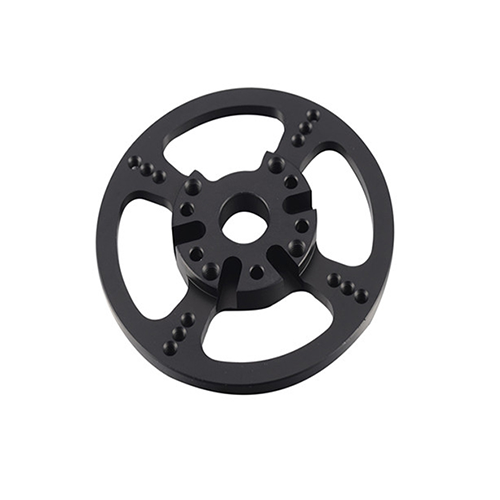
Aluminum alloys or magnesium alloys that provide strength and thermal dissipation with precision machining.
Silicone or rubber seals and gaskets are essential for waterproofing at joints and access points.
3. Thermal Management
Sealed housings can trap heat generated by electronic components and batteries. Effective heat dissipation techniques such as heat sinks, thermal pads, or specially designed vents with waterproof membranes are incorporated to maintain optimal operating temperatures.
4. Weight Optimization
Heavier housings reduce flight efficiency and battery life. Designers optimize the housing thickness, shape, and material density to achieve the best strength-to-weight ratio.
5. Ease of Maintenance
Despite waterproofing, drones require periodic maintenance or battery replacement. Housing designs often include waterproof access panels, snap-fit covers, or sealed connectors that allow quick service without compromising protection.
6. Mechanical Strength
Drones may experience impacts, vibrations, or shocks during flight or landing. The housing must withstand mechanical stress without deformation or breach of the waterproof seal.
Materials Commonly Used for Waterproof and Dustproof Drone Housing
The choice of materials is crucial to meet the stringent requirements of drone operations:
Polycarbonate (PC)
Known for high impact resistance and optical clarity.
Lightweight and easily molded for complex shapes.
Excellent weather resistance and flame retardant properties.
Acrylonitrile Butadiene Styrene (ABS)
Offers good strength and toughness.
Cost-effective and easy to process.
Suitable for mass production of drone housings.
Aluminum Alloys
Lightweight metals with superior structural strength.
Provide natural electromagnetic shielding beneficial for sensitive electronics.
Excellent thermal conductivity aids in heat dissipation.
Magnesium Alloys
Even lighter than aluminum but equally strong.
Used in premium drone housings to maximize flight endurance.
Corrosion-resistant when properly coated.
Sealing Materials
Silicone rubber is widely used for gaskets and seals due to flexibility and weather resistance.
EPDM (ethylene propylene diene monomer) rubber is chosen for chemical resistance and durability.
Neoprene and butyl rubber are alternatives depending on environmental exposure.
Manufacturing Techniques for Waterproof and Dustproof Drone Housing
Several advanced manufacturing methods are employed to ensure housings meet precise specifications:
Injection Molding
Ideal for plastic housings, injection molding offers:
High repeatability for mass production
Complex geometric capability with integrated sealing features
Surface finish customization
CNC Machining
Used primarily for metal housings:
Enables precision fabrication with tight tolerances
Suitable for small to medium production runs or prototyping
Allows post-machining processes like anodizing or coating
Overmolding
Combines rigid plastic with soft sealing materials in a single process:
Assembly and Sealing
Use of industrial adhesives and sealants in addition to mechanical gaskets
Ultrasonic welding for plastics to form hermetic seals
Quality control involving pressure tests and water immersion
Applications of Waterproof and Dustproof Drone Housing
Agriculture
Agricultural drones operate in dusty fields, spraying chemicals or monitoring crops. Waterproof housings protect electronics from pesticides, dirt, and moisture, ensuring reliability during extended missions.
Industrial Inspection
Inspection drones in power plants, oil refineries, or factories face airborne particulates, corrosive gases, and high humidity. Rugged housings extend operational life and prevent sensor failures.
Search and Rescue
In disaster zones or adverse weather, drones must remain operational despite rain, dust storms, or debris. Waterproof and dustproof housings ensure mission success without compromising sensitive systems.
Maritime and Coastal Surveillance
Saltwater corrosion and spray pose severe risks to drone electronics. Specialized housings with marine-grade materials prevent corrosion and water ingress in coastal patrol drones.
Consumer and Commercial Photography
Outdoor enthusiasts require drones capable of flying in various weather conditions. Waterproof housings reduce the risk of damage and improve confidence in drone reliability.
Maintenance and Testing of Waterproof and Dustproof Drone Housings
To guarantee protection levels, housings undergo rigorous testing:
IP Testing involves exposure to dust chambers and water jets to validate ingress protection.
Pressure Testing checks for micro-leaks in seals and joints.
Thermal Cycling simulates temperature fluctuations to ensure seal integrity.
Vibration and Shock Testing confirms mechanical durability.
Regular maintenance protocols include inspection and replacement of seals, cleaning housing surfaces, and verifying that access points remain securely closed.
Future Trends in Waterproof and Dustproof Drone Housing
As drone technology advances, housings will evolve with innovations such as:
Smart materials that self-heal minor scratches or abrasions.
Nanocoatings that repel water and dust at the molecular level.
Integrated sensor arrays for real-time monitoring of housing integrity.
Modular housing designs allowing quick swapping of protective shells for different missions.
Lightweight composites combining strength with enhanced waterproofing without adding weight.
Conclusion
Waterproof and dustproof drone housing is a vital component in ensuring the resilience, safety, and longevity of UAVs in demanding environments. By carefully selecting materials, employing advanced manufacturing techniques, and adhering to rigorous design standards, manufacturers can deliver housings that protect drones from water, dust, and mechanical stress.
This protection enables drones to operate effectively across diverse industries and harsh conditions, unlocking new possibilities and expanding the scope of UAV applications worldwide. Whether you are designing drones for agriculture, industrial inspection, search and rescue, or recreational use, investing in quality waterproof and dustproof housings is essential to maximize performance and protect your technological investment.

 Español
 Portugues
 Pусский
 Français
 Deutsch
 日本語
 한국어
 العربية
 Italiano
 Nederlands
 Ελληνικά
 Svenska
 Polski
 ไทย
 Türk dili
 हिन्दी
 Indonesia
 Melayu
 Tiếng Việt
 中文
 dansk
 Magyar
 қазақ
 বাংলা
 עִברִית
 čeština
 Soomaali
 မြန်မာ
 فارسی
 українська
 norsk
 Gaeilge
 беларускі
 Română
 Filipino
 lietuvių
 македонски
 Suomalainen
 slovenský
 o'zbek
 اردو
 հայերեն
 Igbo
 български
 سنڌي
 සිංහල
 Hrvatski
 íslenskur
 Zulu South Africa
 Afrikaans isiXhosa
 ಕನ್ನಡ
 Indonésia Sunda
 Кыргызча
 тоҷикӣ
 Србија
 Hawaii
 Cebu
 नेपाल
 latvija
 slovenija
 kiswahili
 ਪੰਜਾਬ
 پښتو
 Azərbaycan
 አማራ
 Shqipëria
 Chicheva
 ଓଡିଆ
 Setswana
 Afrikaans
 Aymara
 Башҡорт
 Türkmenler
 ትግሪኛ
 Afaan Oromoo
 অসমীয়া
 Kinyarwanda
 Ilocano
 Wolof
 अवधी
 Oluganda
 Bikol
 Fulɓe
 Kikongo
 Lingala
 རྫོང་ཁ
 Santali
 Аҧсуа
 Чӑваш
 Batak Karo



 Phone